What is Art?
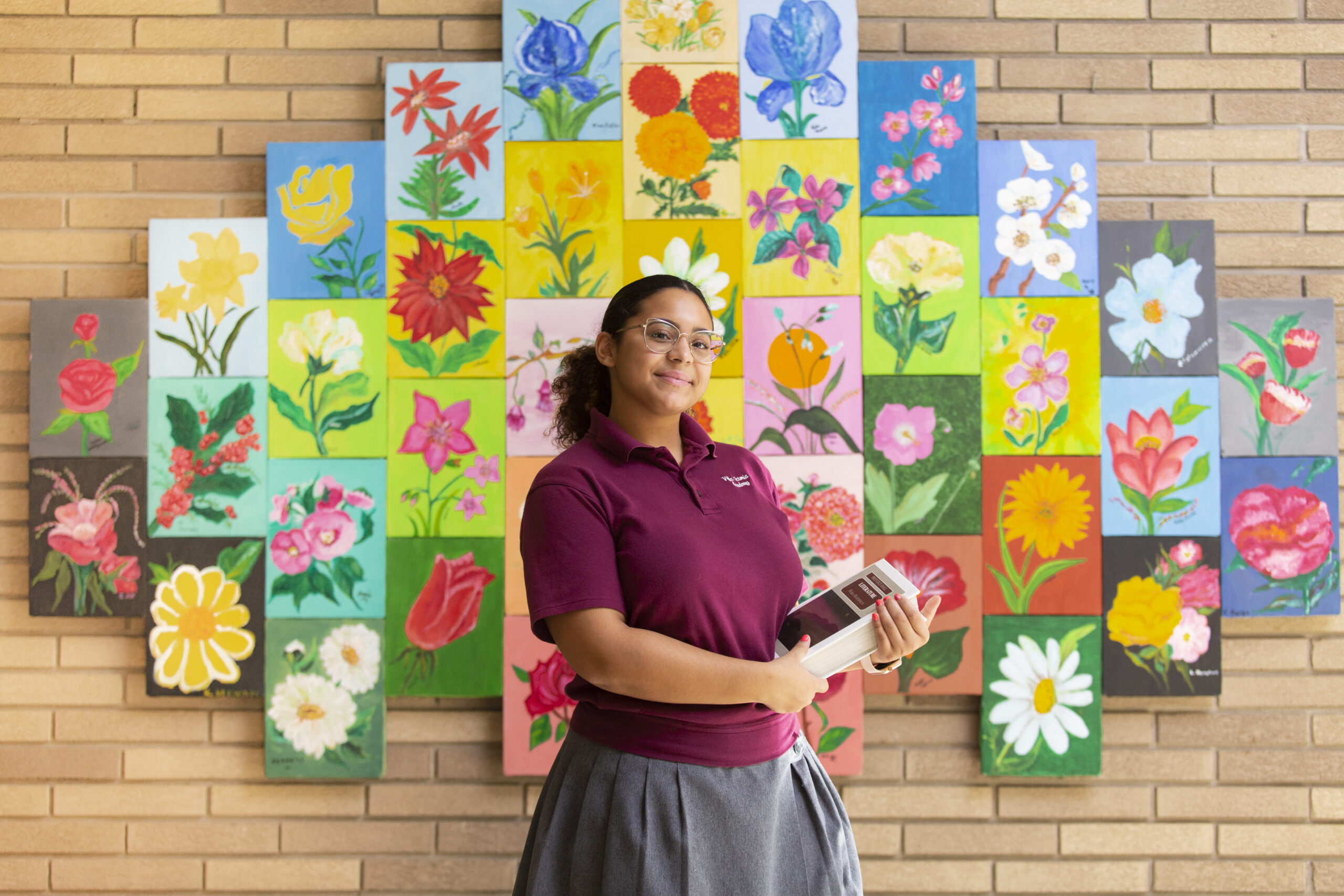
When we think of art, we may first think painting and drawing. However, the act of creating art can include photography, culinary arts, theater and dramatic arts, sculpture, printmaking, and more!
How Can Art Help Your Teen’s Mental Health?
Studies have concluded that art helps us to manage and transform emotions. Teenagers experience a wide range of stressors and emotions. Artistic expression can help them to manage these emotions as well as depression and anxiety. Through art, it’s been found that people find tranquility and a way to transform intense emotions of anger and negativity.
In the busy lives of middle schoolers and high schoolers, there can be an abundance of stress. In the midst of this stressful period of development, some students have reported that art is their favorite class! When asked to explain, their answers include that the creative process is relaxing, peaceful, and provides a mental break from other stressors in their life. Creating art at their own pace gives them an opportunity to focus on one task at a time, and some students report a clarity of thinking. There isn’t pressure to find one right answer, as there may be in other classes.
The absence of stress, not feeling rushed, the opportunity to take a mental break, and be at peace demonstrate the impact that the creation of art and being in a creative environment can have on a student’s well-being. Art teachers have observed that when students leave the art room/studio, they feel happier and more positive than when they entered, with the creative process providing a lift in spirits.
Additional positive impacts of the creative process include the following:
• Students feel in control. The artist can make their own choices regarding size, color, subject, type of paper and medium.
• Art provides a sense of accomplishment. Students feel joy and satisfaction when the final result is achieved.
• Art (drawing in particular) engages the right side of the brain, causing a cognitive shift, thus exercising a different area of the brain.
• Students have the opportunity to express themselves through non-verbal communication.
• Art provides a sense of freedom and promotes the ability to focus.
• Art allows students to gain confidence in their skills/abilities not often exhibited in the typical classroom setting.
• Art can provide a sense of escape.
• Students develop verbal skills during the critique process.
• Students learn constructive criticism, and an understanding that it provides an opportunity for growth and further development of skills.
• The creation of art can be a physical activity that requires active participation.
• Students learn the value of patience (Remember that paint dries on its own time!)
Art classes and clubs can foster a welcoming, peaceful, friendly, safe, supportive and creative environment where the students can freely express themselves. Clubs also provide an opportunity for social support and collaboration, where students have the opportunity to interact with peers they might not otherwise engage with. The common interests and goals of creating art can be an excellent foundation for supportive relationships.
Creating art should be an enjoyable and positive experience. Art classes in school provide an opportunity for students to rest, recharge, reflect and reset their attitude and state of mind. Whether it’s culinary art, music, theater or traditional drawing and painting, art is a valuable pastime and beneficial for a student’s well-being and mental health.
By Mrs. Rachel Sorrento, Art Teacher at Villa Victoria Academy